Cadaveric Anatomy at Warsaw Osteopathic Medicine Academy
Cadaveric anatomy course has been integrated into the curriculum of Warsaw Osteopathic Medicine Academy.
Cadaveric Anatomy: Dates and Schedule
The schedule for these sessions is announced at the beginning of each academic year, allowing students to plan their participation well in advance.
Locations: University of Antwerp and the Osteon campus in Raeren, Belgium
At WOMA, we place strong emphasis on comprehensive preparation for professional osteopathic practice.
We recognise the importance of developing a thorough understanding of human anatomy for future osteopaths. For this reason, cadaveric anatomy is an integral part of our curriculum, providing students with a unique opportunity to deepen their anatomical knowledge through direct practical experience.
What is Cadaveric Anatomy?
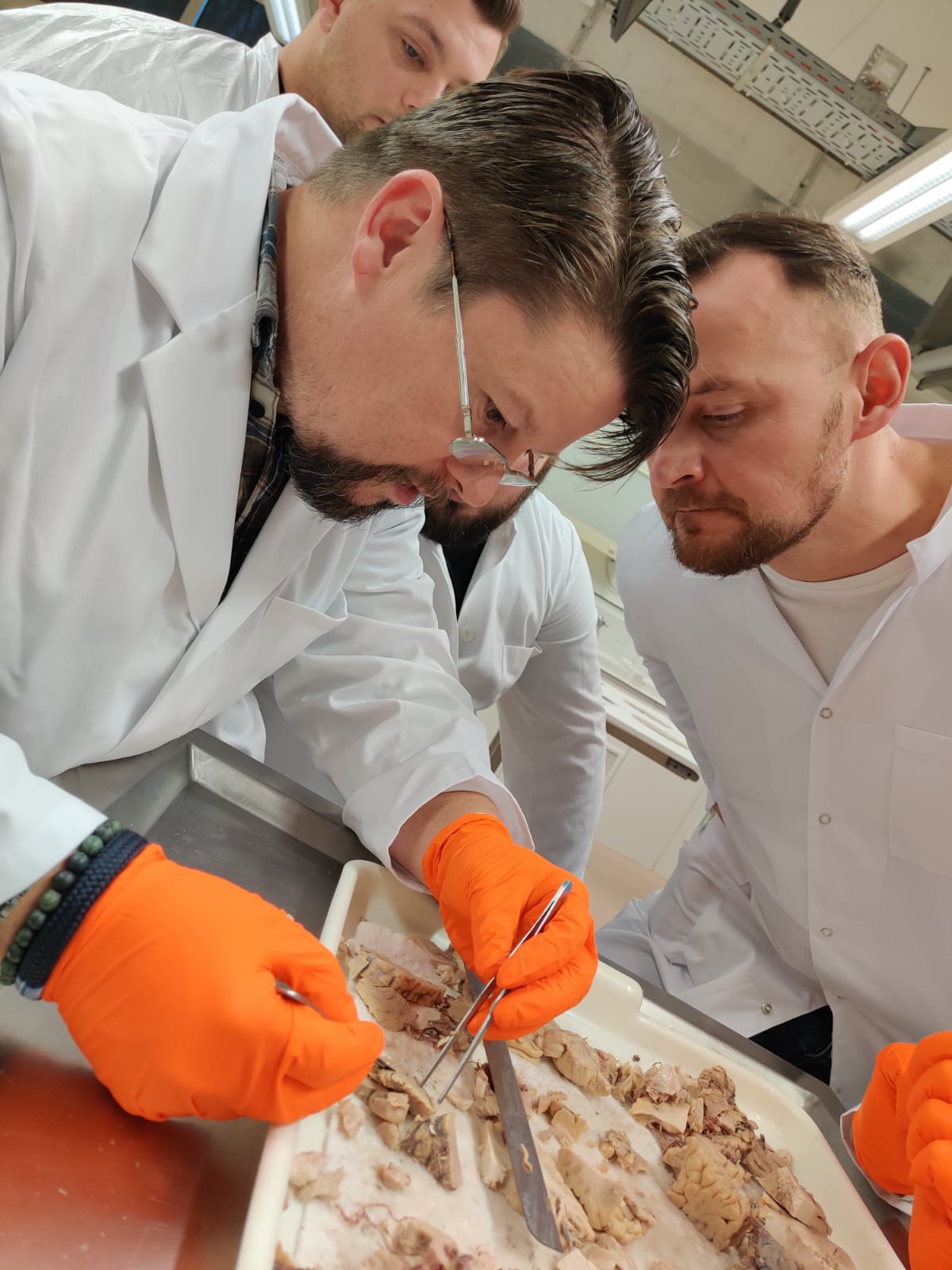
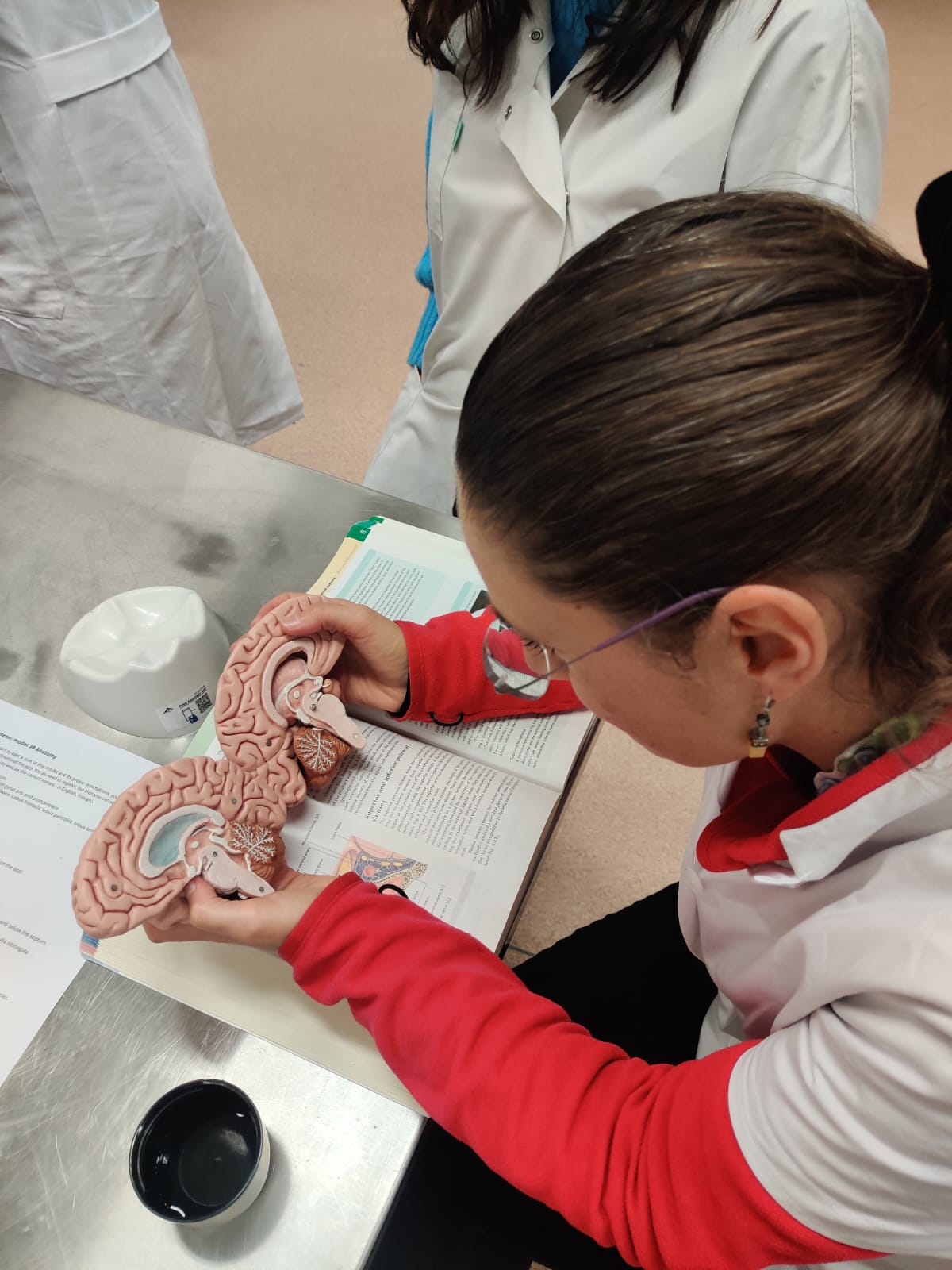
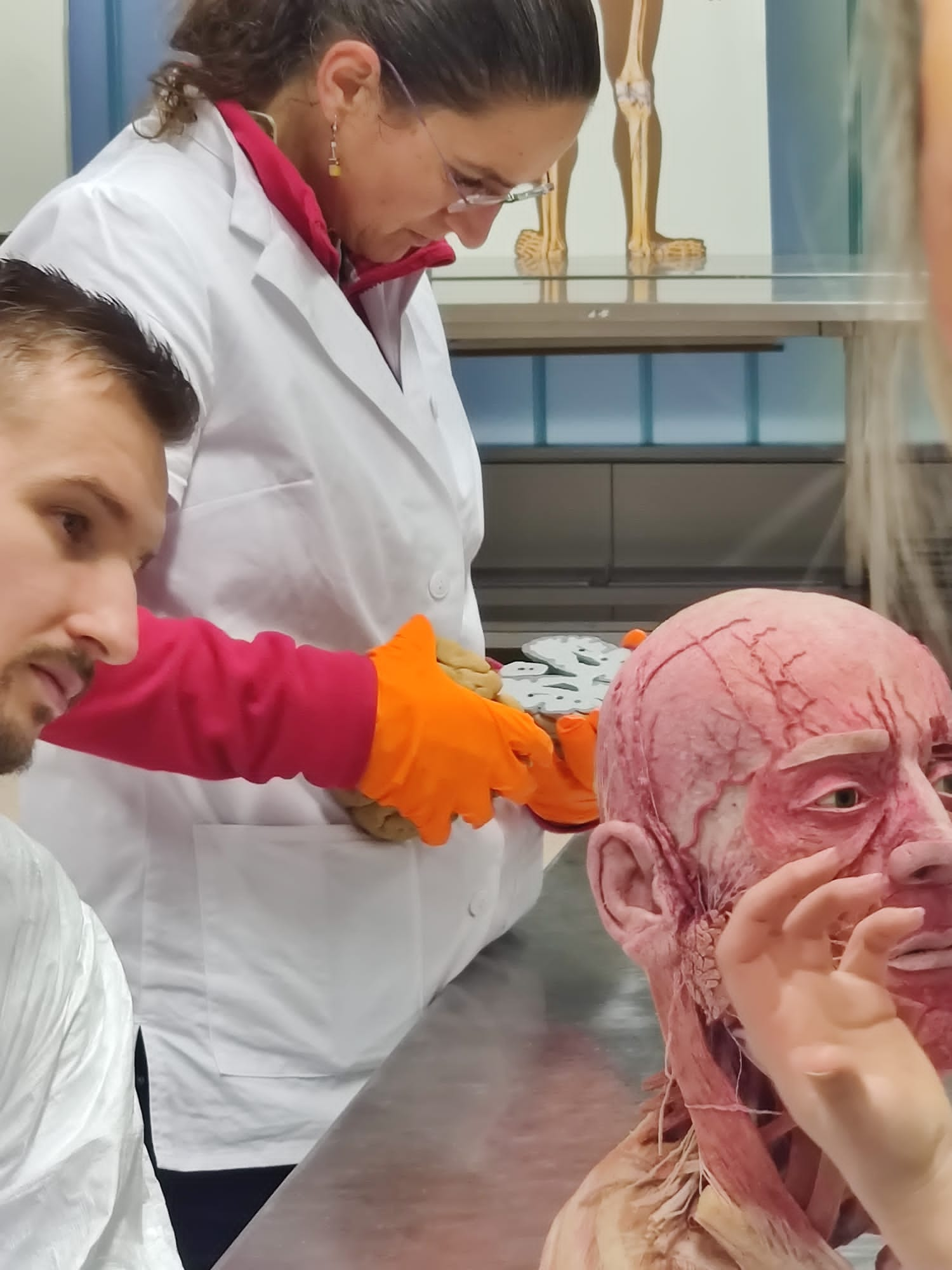
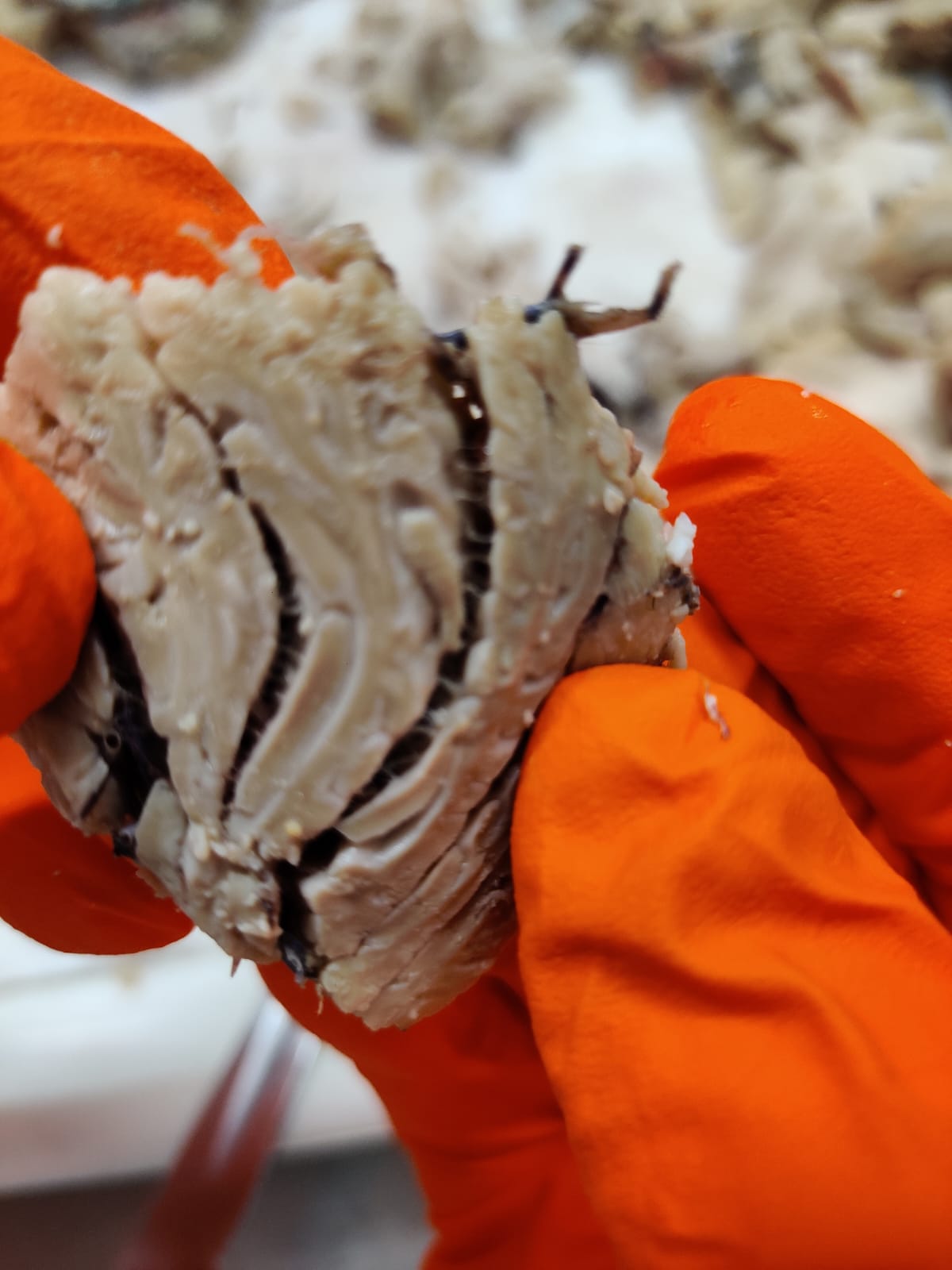
Cadaveric anatomy is a specialised form of anatomical education that enables students to directly observe and examine the structures of the human body. Through anatomical dissection, students gain a detailed understanding of the body’s structural organisation, function and the relationships between its individual components.
Key Aspects of Cadaveric Anatomy Sessions
1. Detailed Examination of Anatomical Structures
Students work with anatomical specimens, enabling them to examine organs, tissues, blood vessels and nerves in detail.
2. Direct Three-Dimensional Observation
The opportunity to observe the actual three-dimensional structure of the human body provides a deeper understanding of the complexity and organisation of human anatomy.
3. Clinical Case Analysis
The sessions may also incorporate clinical case studies, helping students develop their clinical reasoning and diagnostic skills and understand the practical relevance of anatomical knowledge.
4. Understanding Anatomical Links
Anatomical dissection enables students to develop a comprehensive understanding of the spatial and functional connections between different structures of the body, which is essential for osteopathic practice.
5. Preparation for Professional Practice
Thanks to this experience, students develop knowledge and practical skills relevant to professional practice in osteopathy, medicine and physiotherapy, strengthening their preparation for future clinical work.
Cadaveric anatomy is far more than the study of anatomical structures. It is an educational experience that deepens anatomical understanding, develops clinical and practical skills, fosters professional competence and provides insights that cannot be fully acquired solely through conventional anatomy teaching.
Cadaveric Anatomy at the University of Antwerp
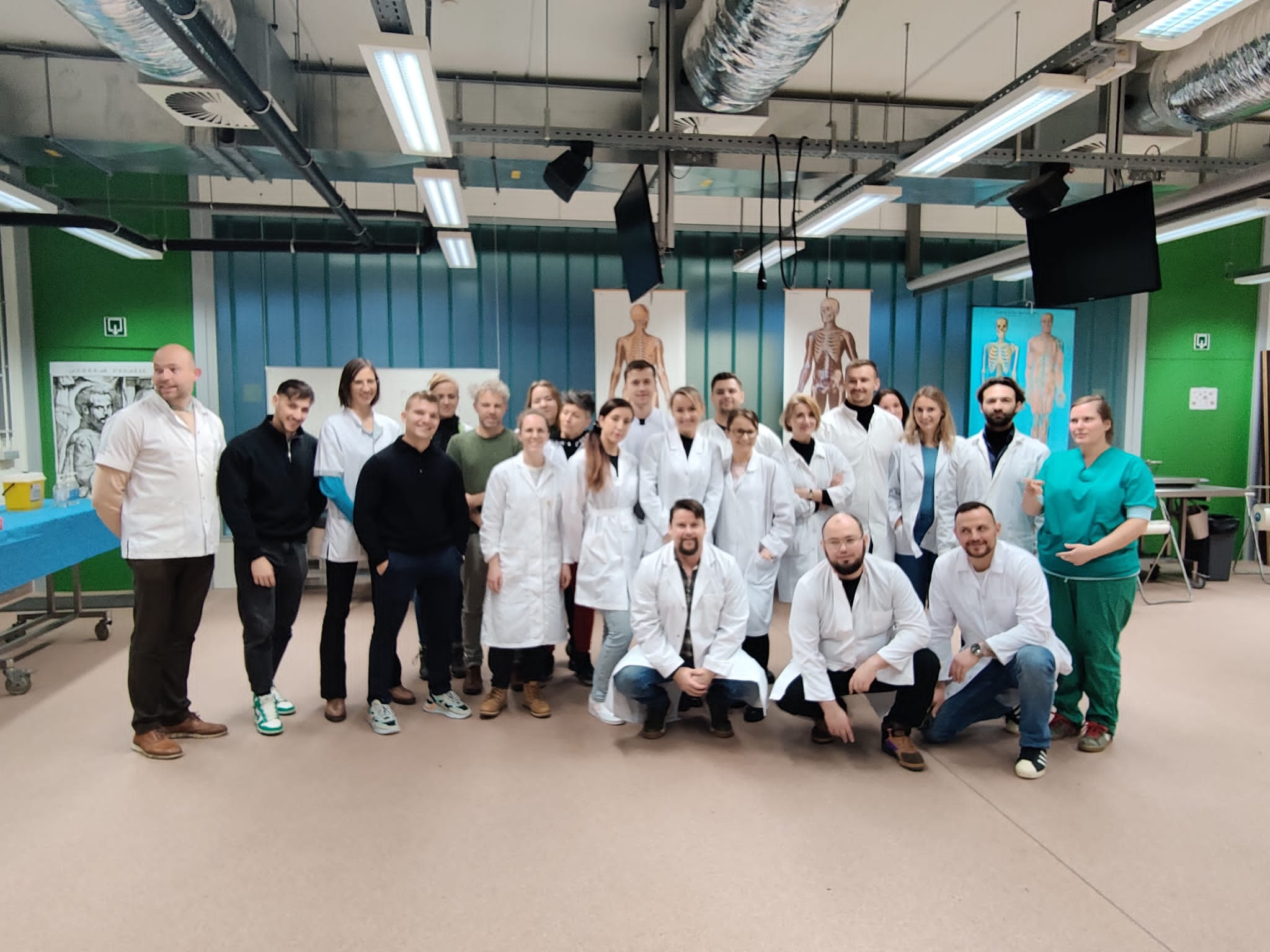
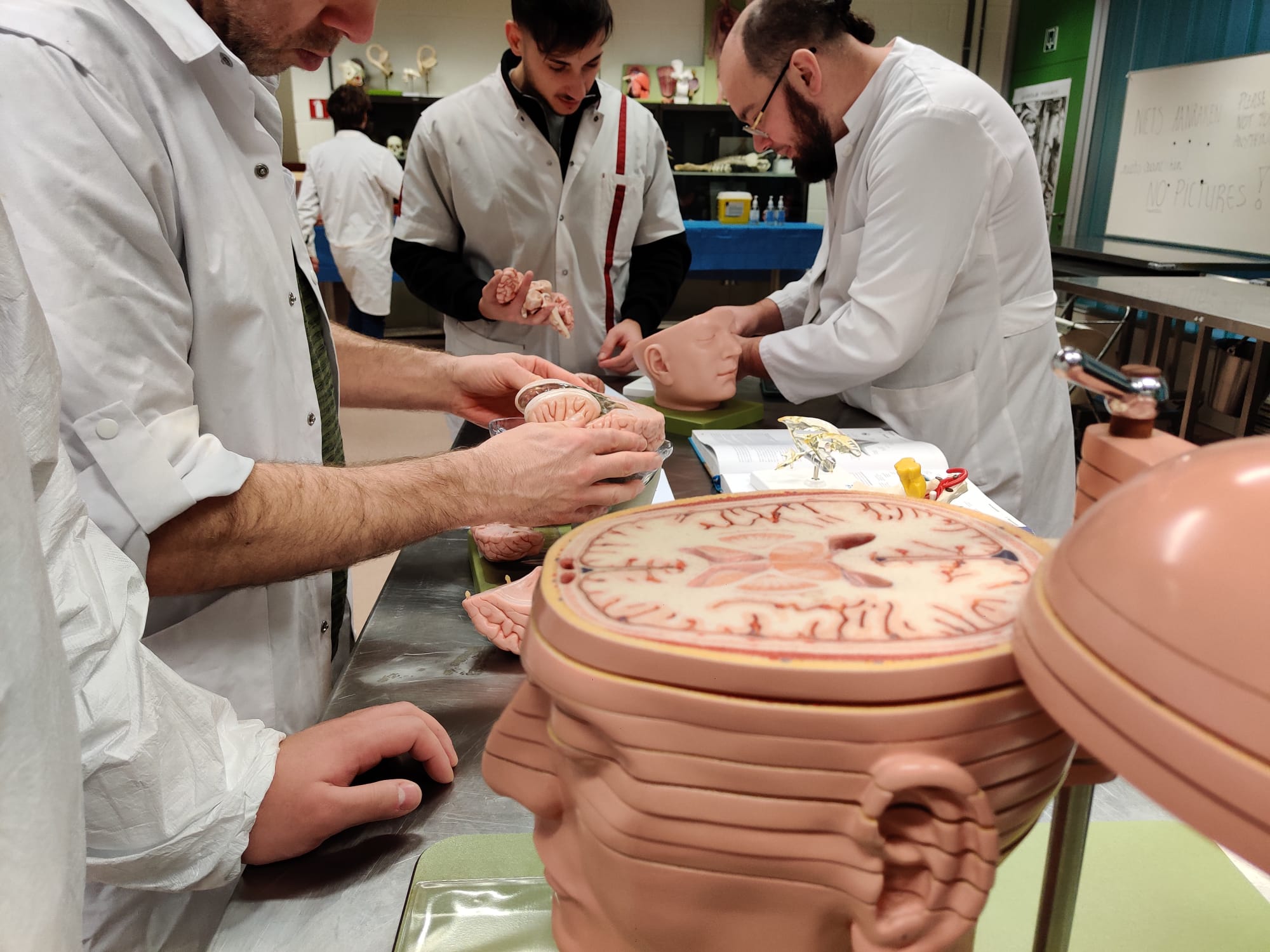
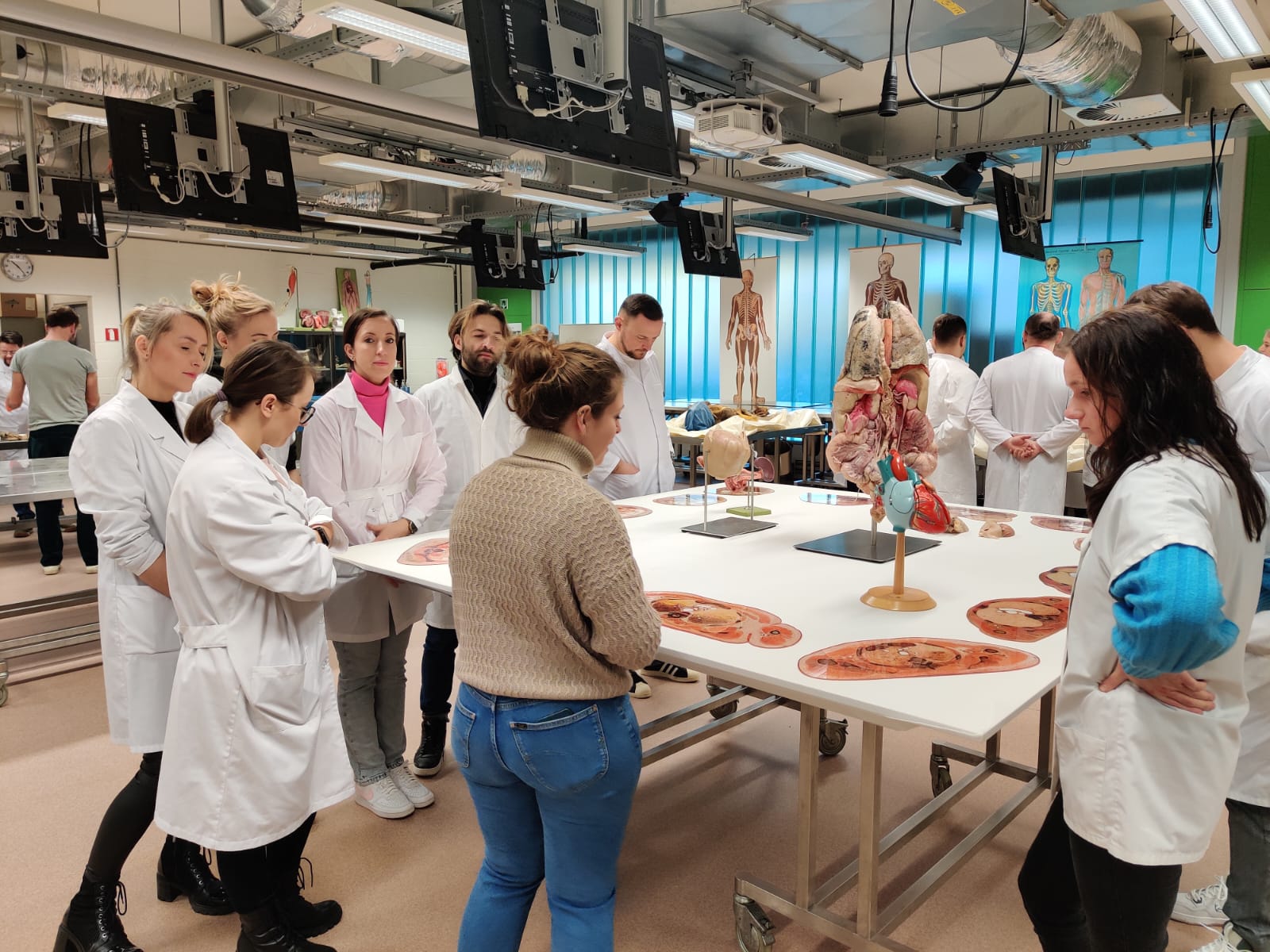
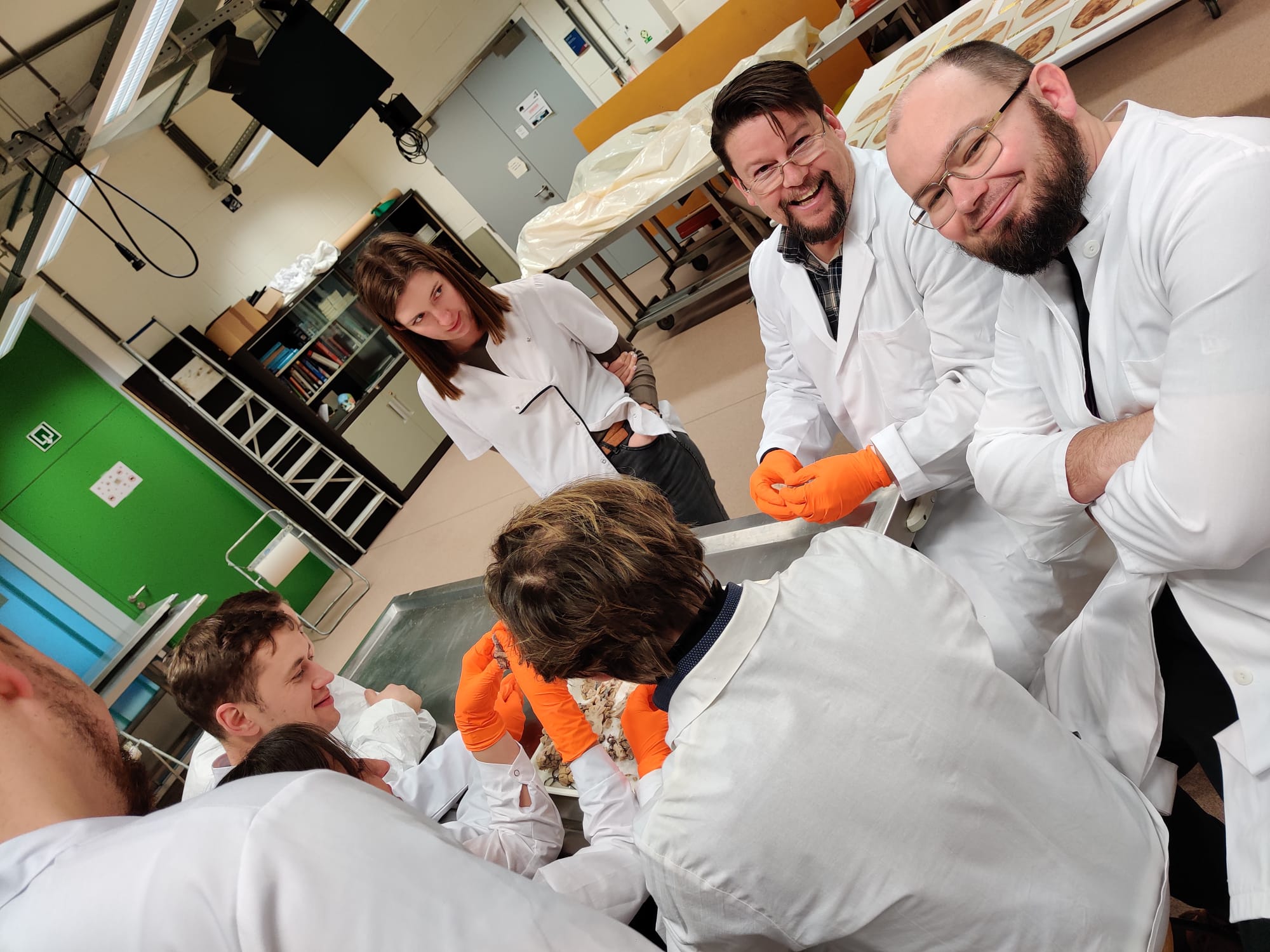
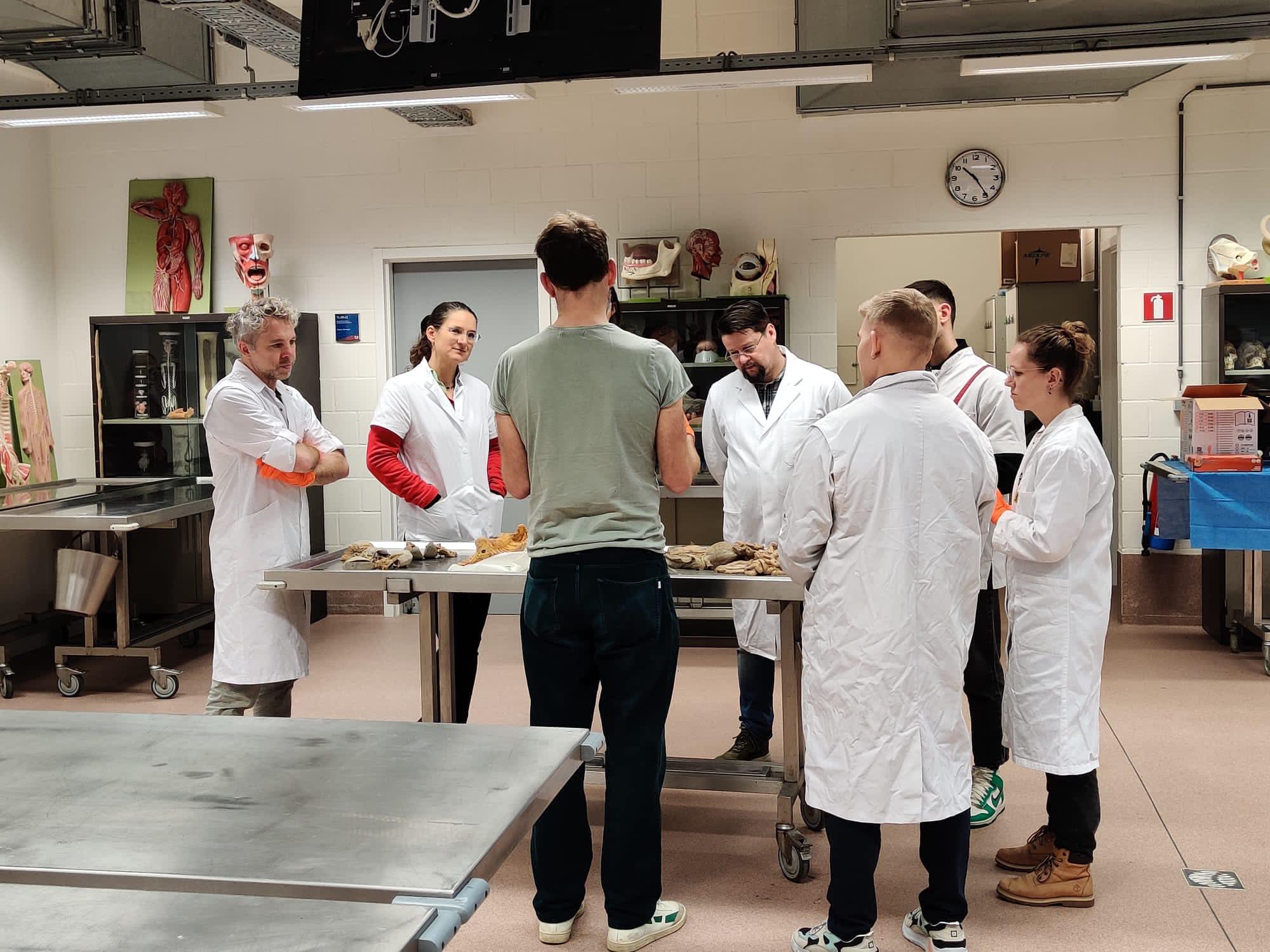
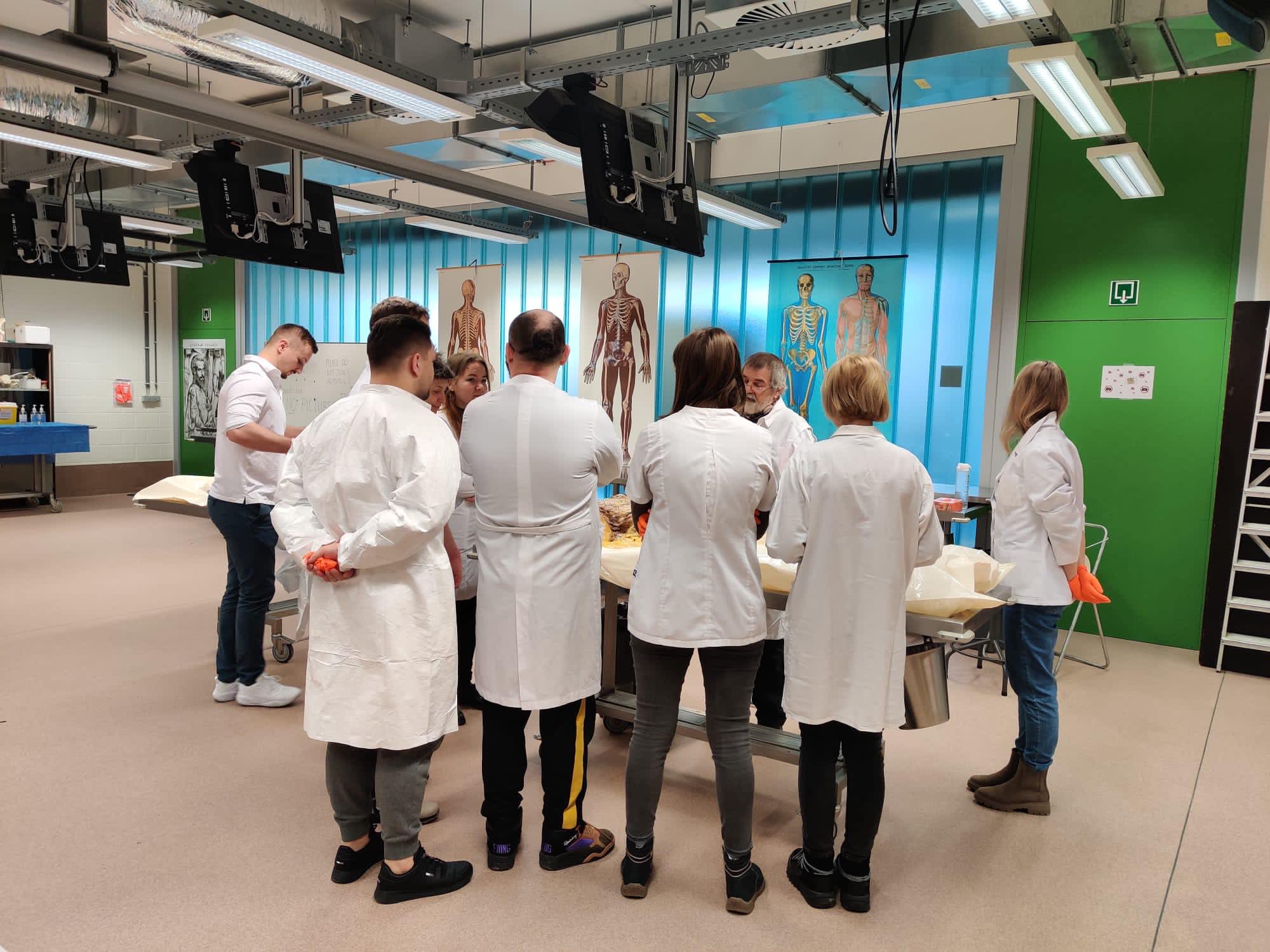
WOMA’s cadaveric anatomy sessions are organised annually at the University of Antwerp, Belgium. This provides students with a valuable opportunity to learn in an international academic environment, exchange knowledge and experience as well as benefit from the expertise of specialists in anatomy and osteopathy.
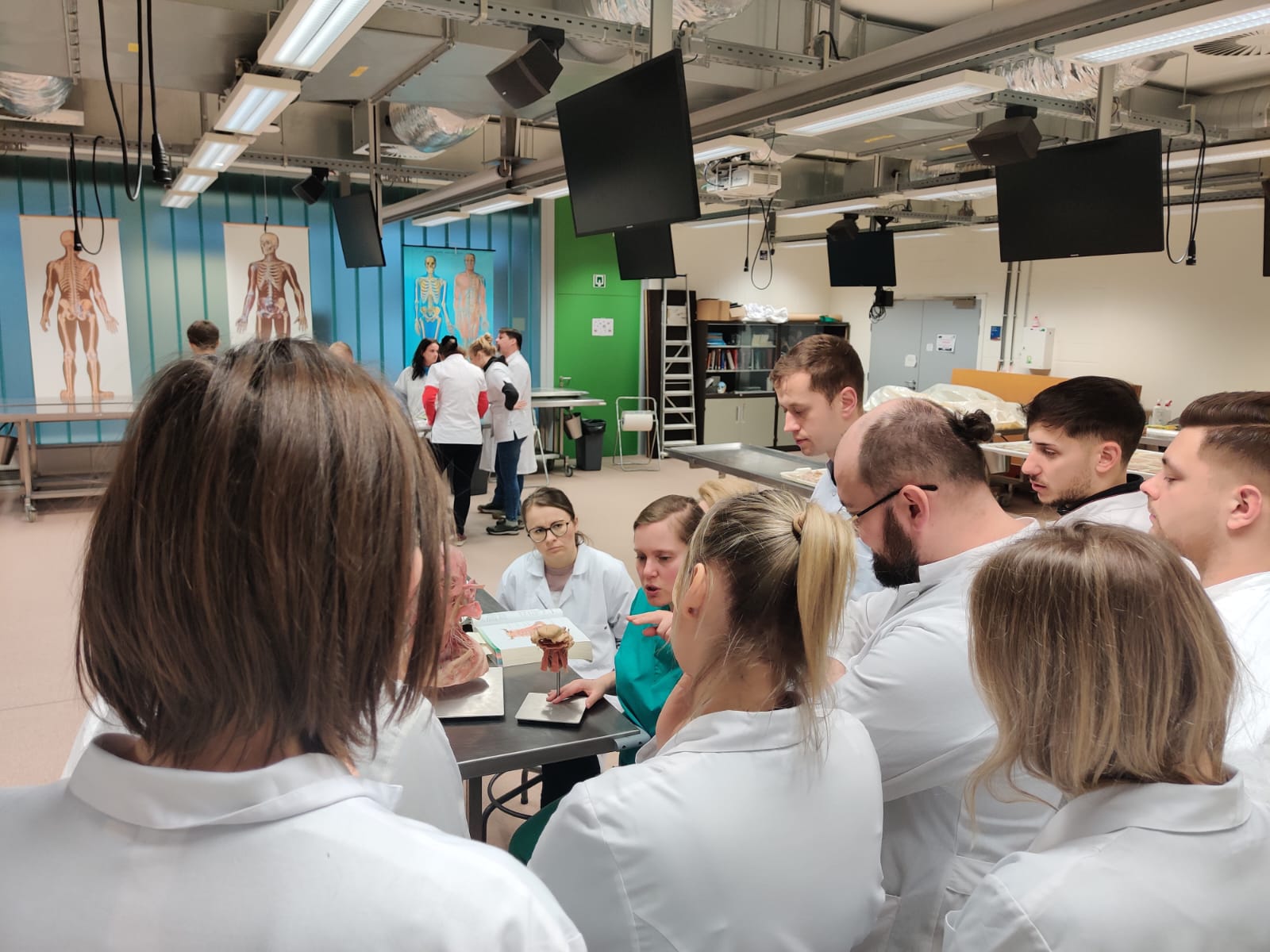
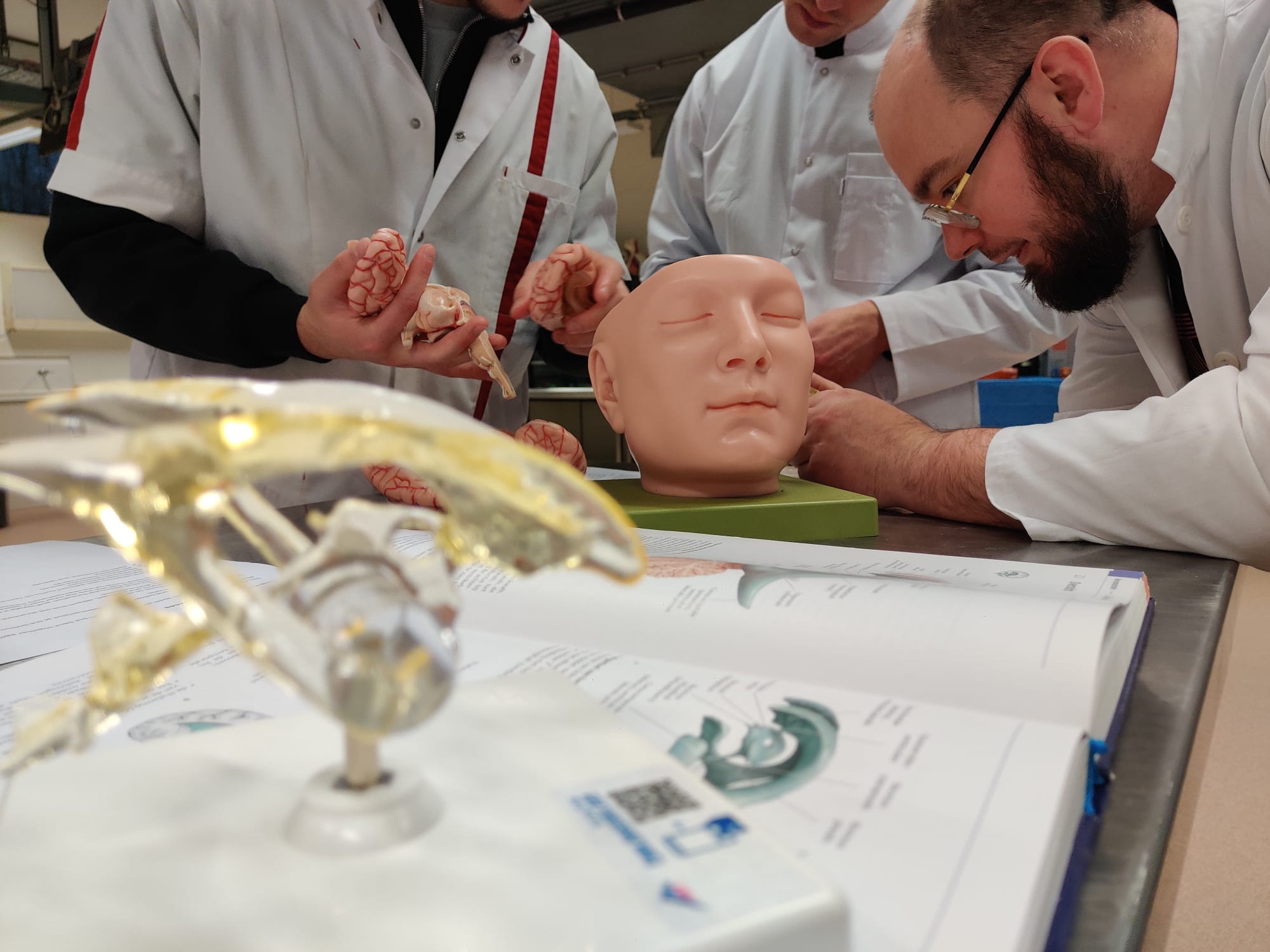
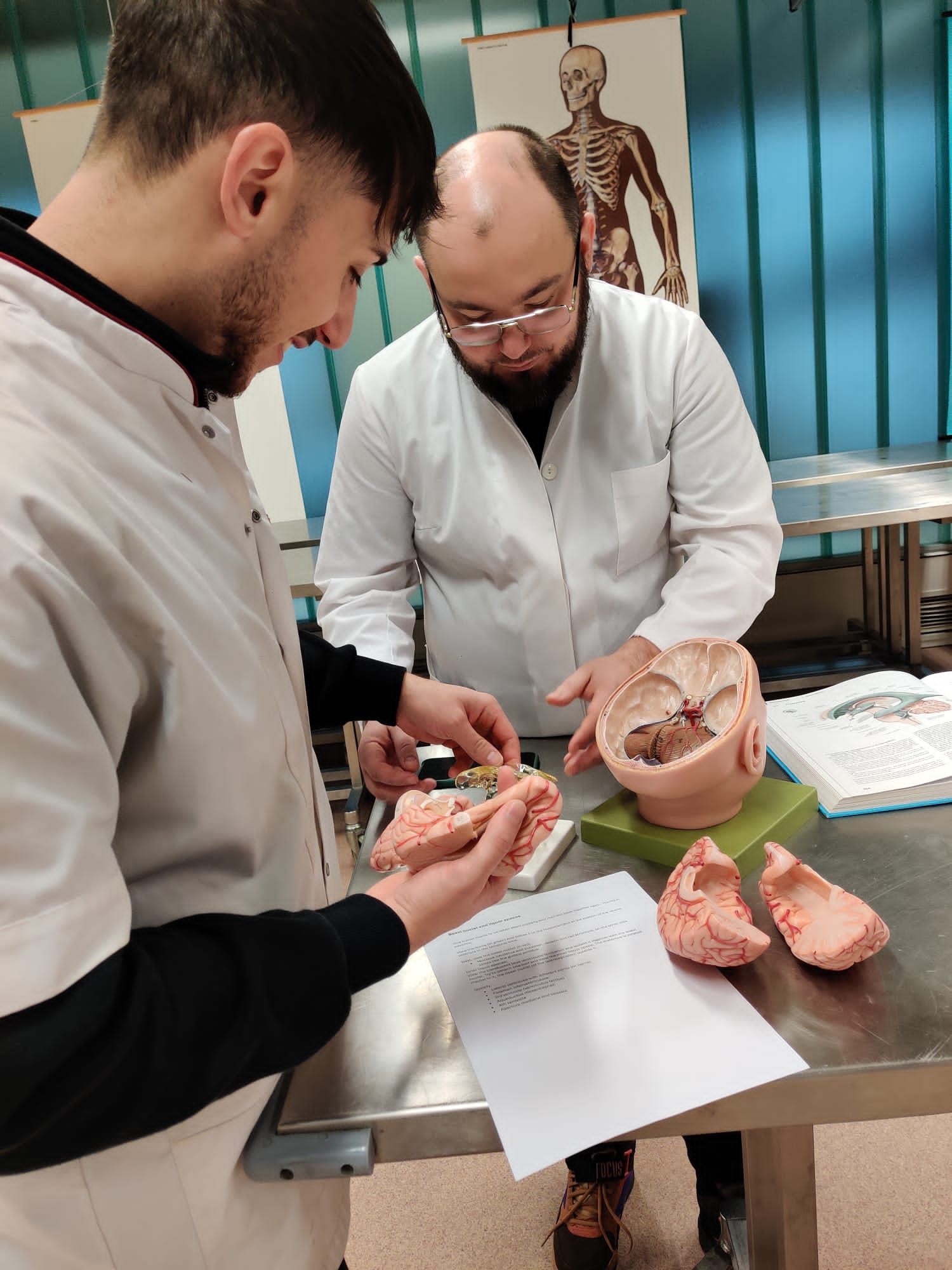
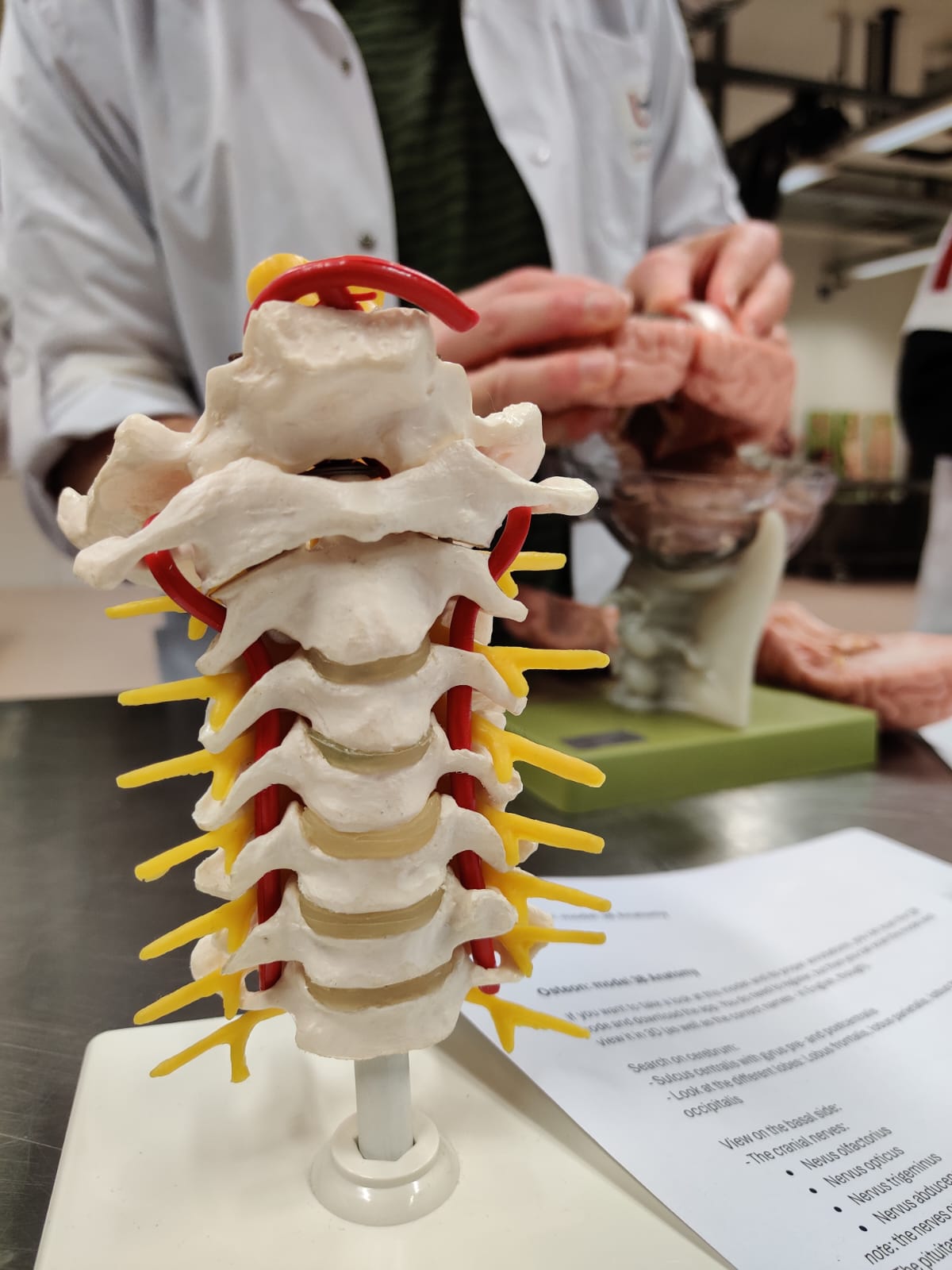
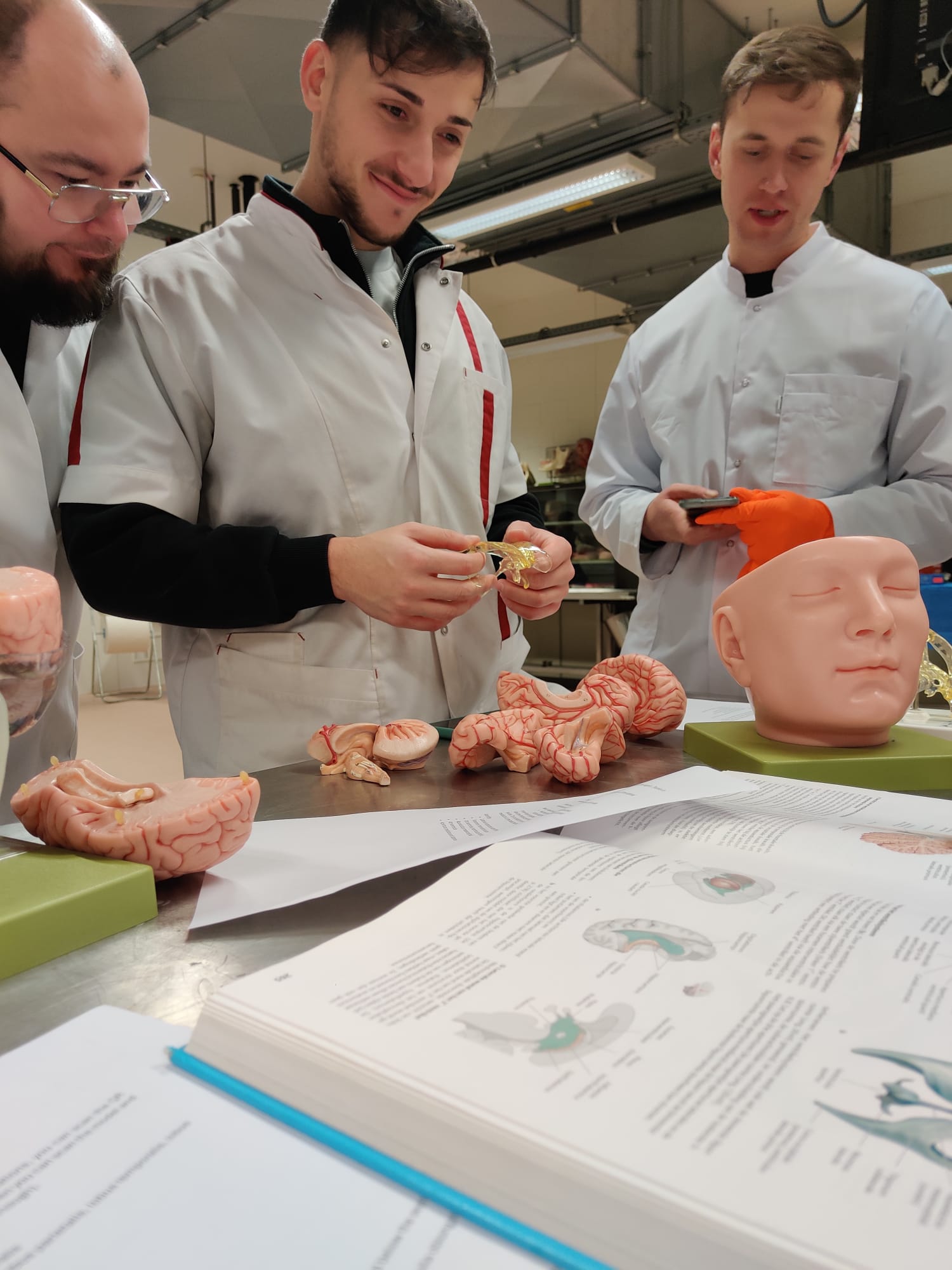
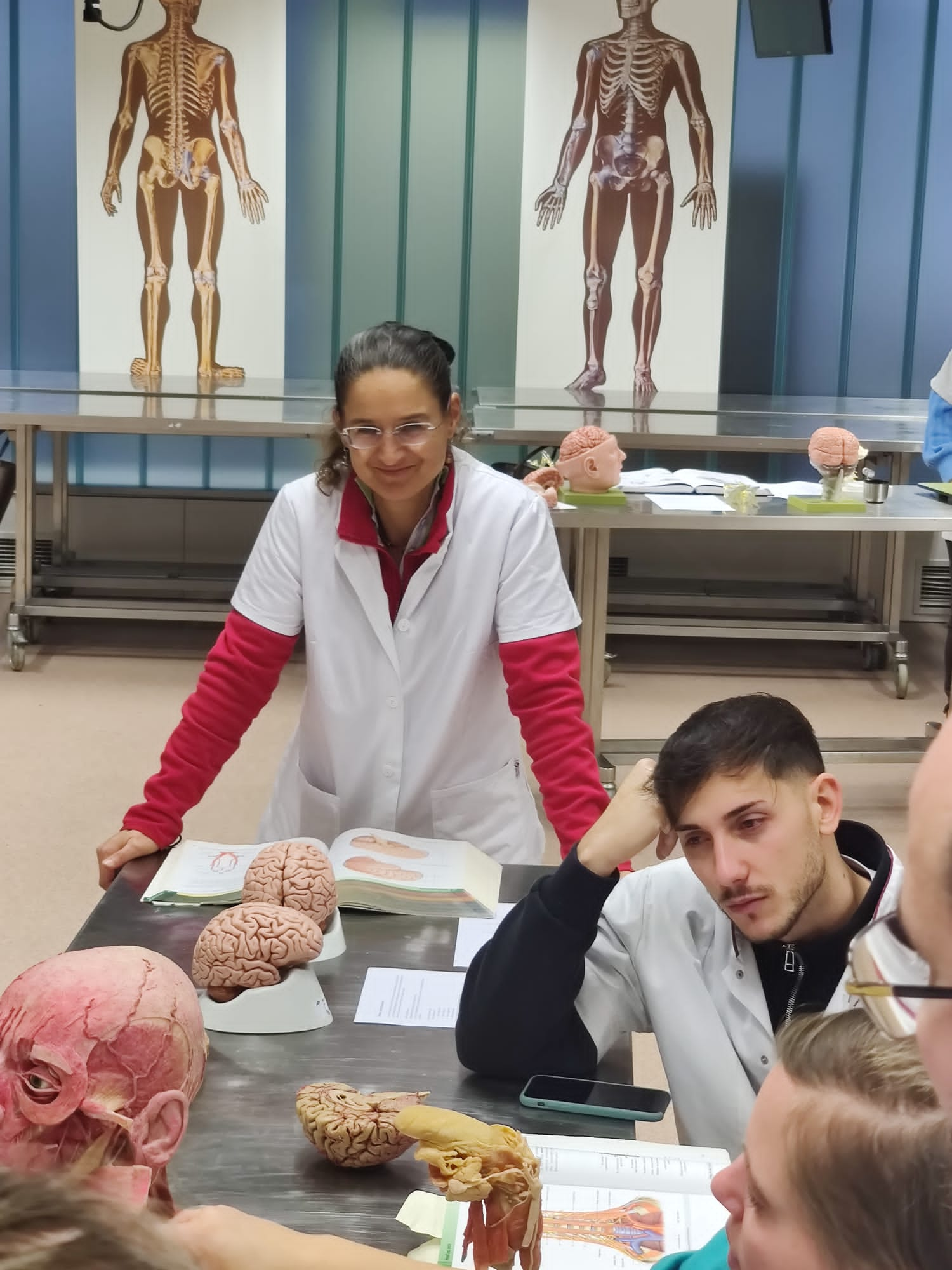
On the second day, students take part in practical anatomy workshops, allowing them to explore anatomical structures through direct, interactive learning. These workshops facilitate a deeper understanding of the three-dimensional character of the human body and the links between its individual structures, providing an important foundation for future osteopathic practice.
Why is WOMA your best choice?
Due to our unique approach, rich curriculum and the well-renowned international lecturing staff, our students gain a strong practical and anatomical foundation for their future professional practice and are well prepared for careers in osteopathy and related healthcare professions.
At WOMA, theory is brought to life through high-level practical education and direct clinical experience.
Warsaw Osteopathic Medicine Academy Anatomia sekcyjna
Warsaw Osteopathic Medicine Academy Anatomia sekcyjna
Warsaw Osteopathic Medicine Academy Anatomia sekcyjna
Warsaw Osteopathic Medicine Academy Anatomia sekcyjna
Warsaw Osteopathic Medicine Academy Anatomia sekcyjna
Warsaw Osteopathic Medicine Academy Anatomia sekcyjna
Warsaw Osteopathic Medicine Academy Anatomia sekcyjna
Warsaw Osteopathic Medicine Academy Anatomia sekcyjna
Warsaw Osteopathic Medicine Academy Anatomia sekcyjna
Warsaw Osteopathic Medicine Academy Anatomia sekcyjna
Warsaw Osteopathic Medicine Academy Anatomia sekcyjna
Warsaw Osteopathic Medicine Academy Anatomia sekcyjna
Warsaw Osteopathic Medicine Academy Anatomia sekcyjna